

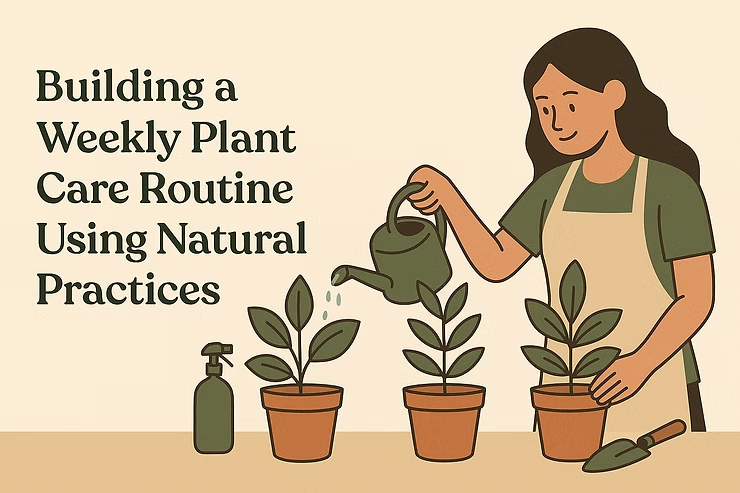
Healthy plants don’t happen by chance—they thrive with consistent care and the right growing environment. Whether you maintain a balcony garden, terrace garden, indoor plants, or a backyard space, following a simple weekly plant care routine can help your plants grow stronger, greener, and more productive.
By combining natural gardening practices with quality organic products like Vermicompost, Neem Khali Cake Powder, and Cocopeat, you can create a healthy ecosystem that supports long-term plant growth.
Why Regular Plant Care Matters
Plant care is more than watering plants occasionally. A consistent routine helps improve soil health, supports root development, reduces pest problems, and encourages healthy growth.
Benefits of Regular Plant Care
✔ Stronger root systems
✔ Improved soil fertility
✔ Better moisture retention
✔ Reduced pest and disease issues
✔ Healthier flowers, fruits, and foliage
Small weekly efforts can make a significant difference in the overall health of your garden.
Weekly Plant Care Checklist
Day 1: Inspect Your Plants
Begin the week by checking your plants carefully.
Look for:
- Yellow or damaged leaves
- Signs of pests
- Wilting or drooping stems
- Slow growth or discoloration
Early detection helps prevent bigger problems later.
Day 2: Check Soil Moisture & Watering
Avoid watering on a fixed schedule without checking the soil.
Best Practice:
- Insert your finger 1–2 inches into the soil.
- Water only when the top layer feels dry.
- Water early in the morning or late in the evening.
Proper watering helps prevent root rot and water stress.
Day 3: Feed Plants with Vermicompost
Plants require regular nutrition for healthy growth.
How to Apply:
- Add Vermicompost around the base of the plant.
- Lightly mix it into the topsoil.
- Water after application.
Benefits:
- Improves soil fertility
- Encourages healthy root development
- Provides essential nutrients naturally
Day 4: Apply Neem Khali Cake Powder
Neem Khali Cake Powder supports soil health and helps protect plants naturally.
How to Apply:
- Sprinkle 1–2 tablespoons around the plant.
- Mix gently into the soil.
- Water thoroughly afterward.
Benefits:
- Promotes stronger roots
- Improves soil quality
- Supports natural pest management
Day 5: Pruning & Cleaning
Remove:
- Dry leaves
- Dead flowers
- Weak stems
- Diseased plant parts
Pruning improves airflow and helps plants focus their energy on healthy growth.
Day 6: Mulching & Soil Care
Apply natural mulch around plants using:
- Dry leaves
- Cocopeat
- Straw
- Organic mulch materials
Benefits:
- Conserves moisture
- Controls weeds
- Regulates soil temperature
- Improves soil structure
Day 7: Observe & Record Progress
Spend a few minutes observing your plants.
Notice:
- New leaves
- Flower development
- Plant size
- Pest activity
- Soil condition
Keeping simple notes helps you understand what works best in your garden.
Common Plant Care Mistakes to Avoid
Overwatering
Too much water can damage roots and encourage fungal problems.
Overusing Fertilizers
More fertilizer does not mean faster growth. Use organic products in recommended quantities.
Ignoring Soil Health
Healthy plants start with healthy soil. Regularly improve soil with Vermicompost, Neem Khali, and organic matter.
Poor Sunlight Placement
Different plants have different light requirements. Place plants according to their needs.
Inconsistent Care
Plants respond best to regular care rather than occasional heavy maintenance.
Essential Organic Gardening Products
For healthier plant growth, keep these gardening essentials on hand:
🌱 Vermicompost
🌱 Neem Khali Cake Powder
🌱 Cocopeat
🌱 Grow Bags
🌱 Organic Potting Mix
🌱 Garden Tools & Accessories
These products help create a balanced growing environment while supporting sustainable gardening practices.
Final Thoughts
A simple weekly plant care routine can transform your garden over time. By combining regular observation, proper watering, organic nutrition, and natural gardening methods, you can grow healthier plants with less effort.
Consistency is the key to successful gardening. Spend just a few minutes each week caring for your plants, and you’ll enjoy stronger growth, healthier soil, and a thriving green space throughout the year.
🌿 Happy Gardening with Harit Mantra!
